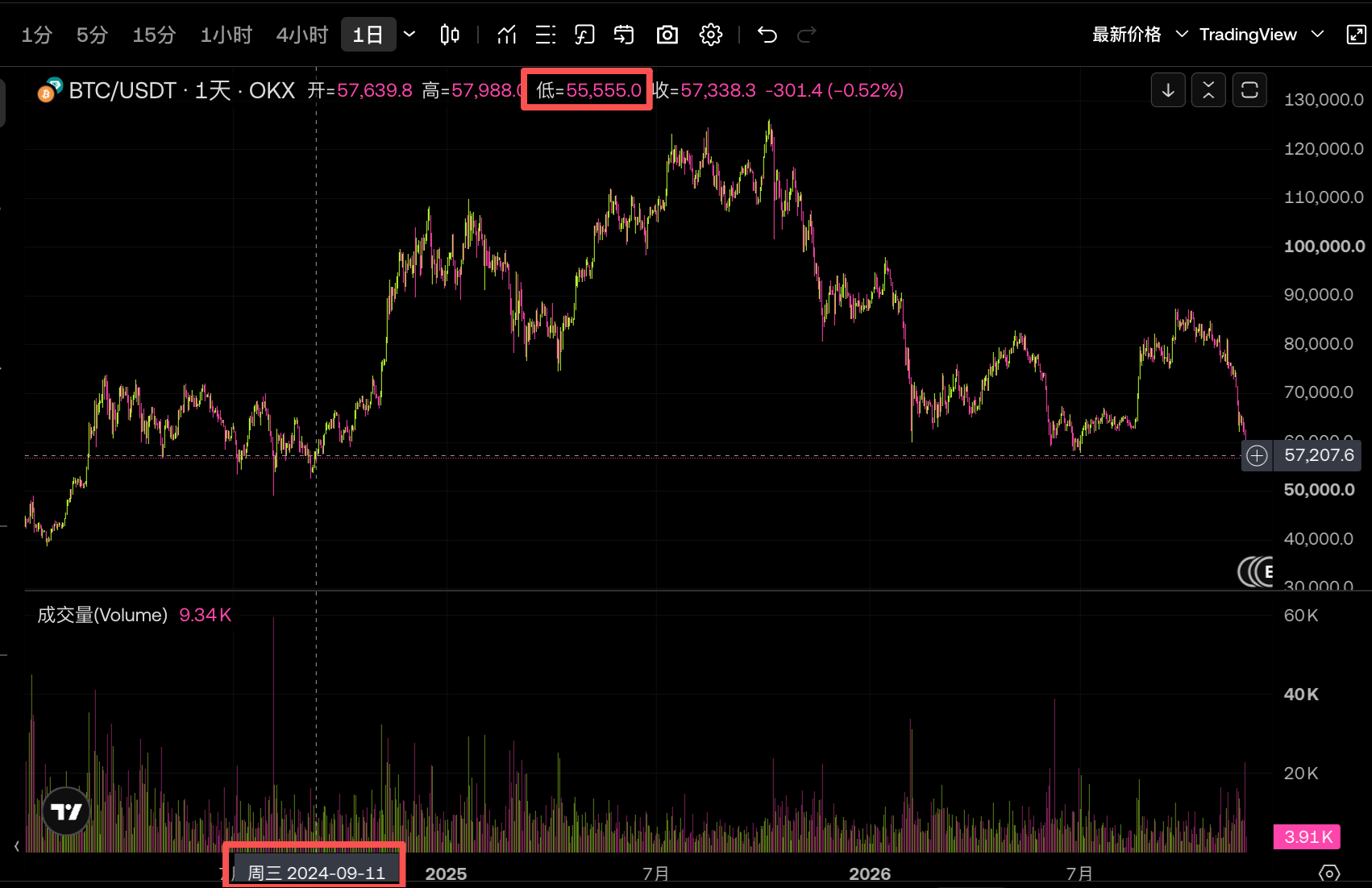
What does the sell-off mean for publicly traded Bitcoin miners? In reporting published on November 21, 2026, Odaily said Bitcoin had fallen below $56,000, reaching an intraday low of $55,555.55. Shares of several miners also dropped sharply, but the report provided no data on their electricity costs, hashprice or operating margins.

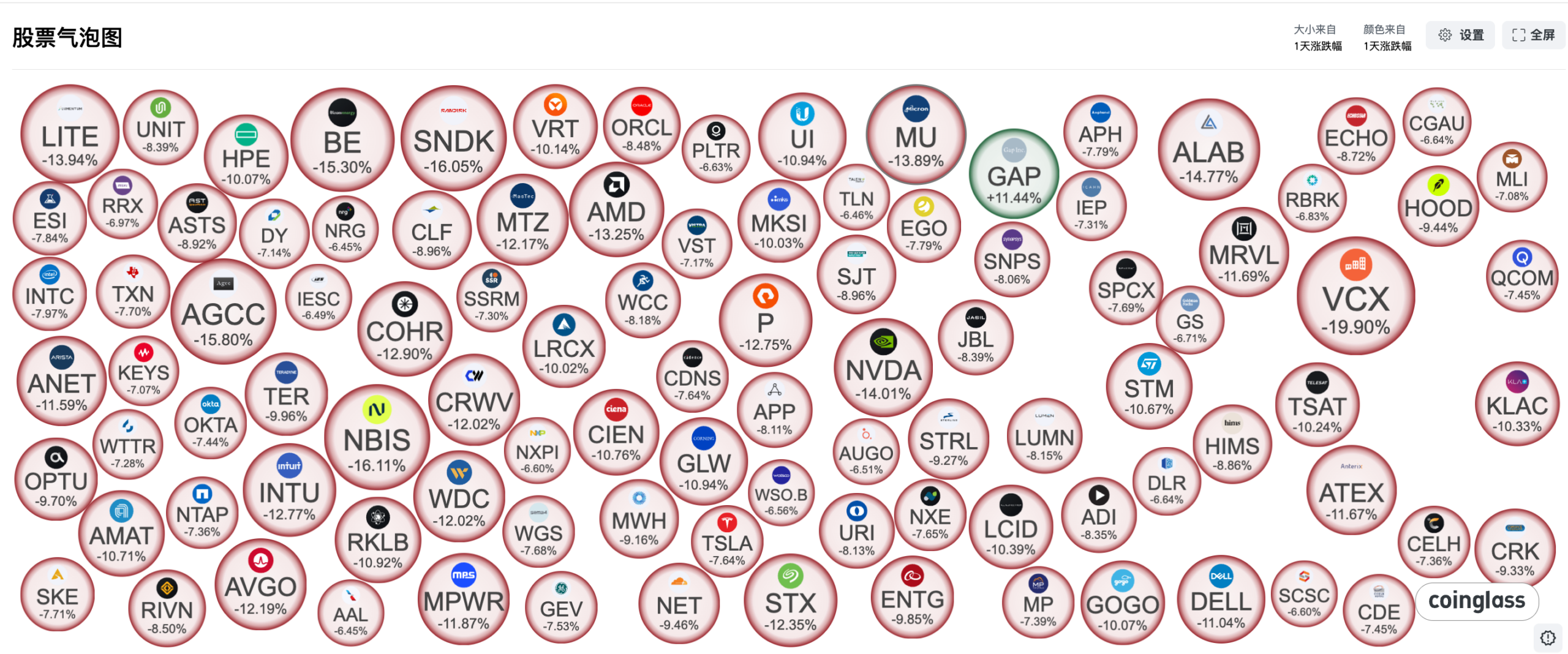
Odaily reported that Hut 8 fell nearly 15% that day, while Core Scientific, CleanSpark and Bitdeer each lost more than 13%. It linked the pressure on miners partly to their exposure to the AI data-center investment narrative. That is a stock-market explanation, not evidence of a measured change in mining economics.
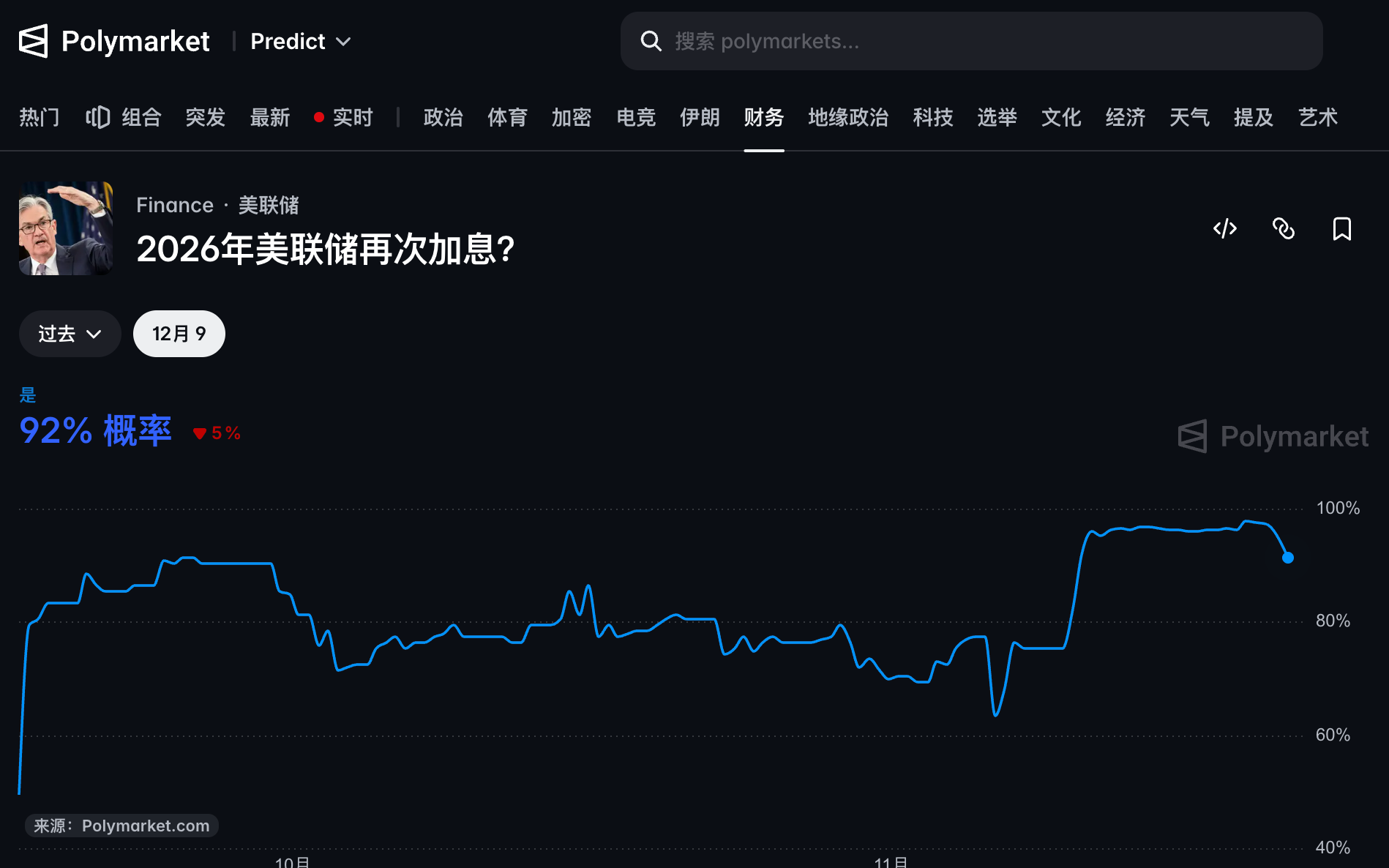
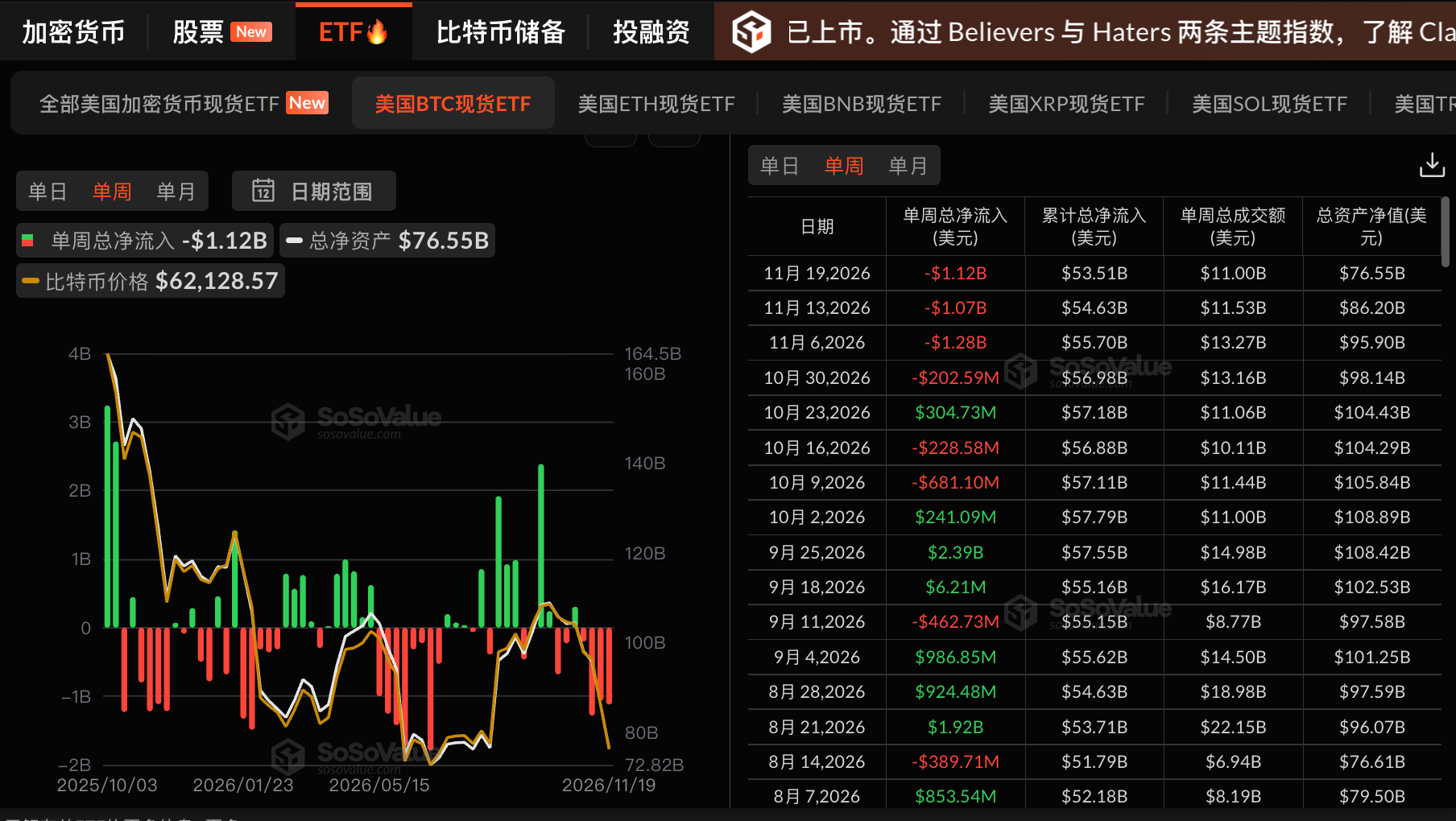
The decline extended beyond mining. Citing SoSoValue, Odaily said US spot Bitcoin ETFs recorded $582.2 million in net outflows on November 19 and roughly $3.47 billion in net outflows for November through that date. CoinGlass data cited in the report put crypto liquidations over the preceding 24 hours above $2.4 billion, including $2.239 billion in long positions.
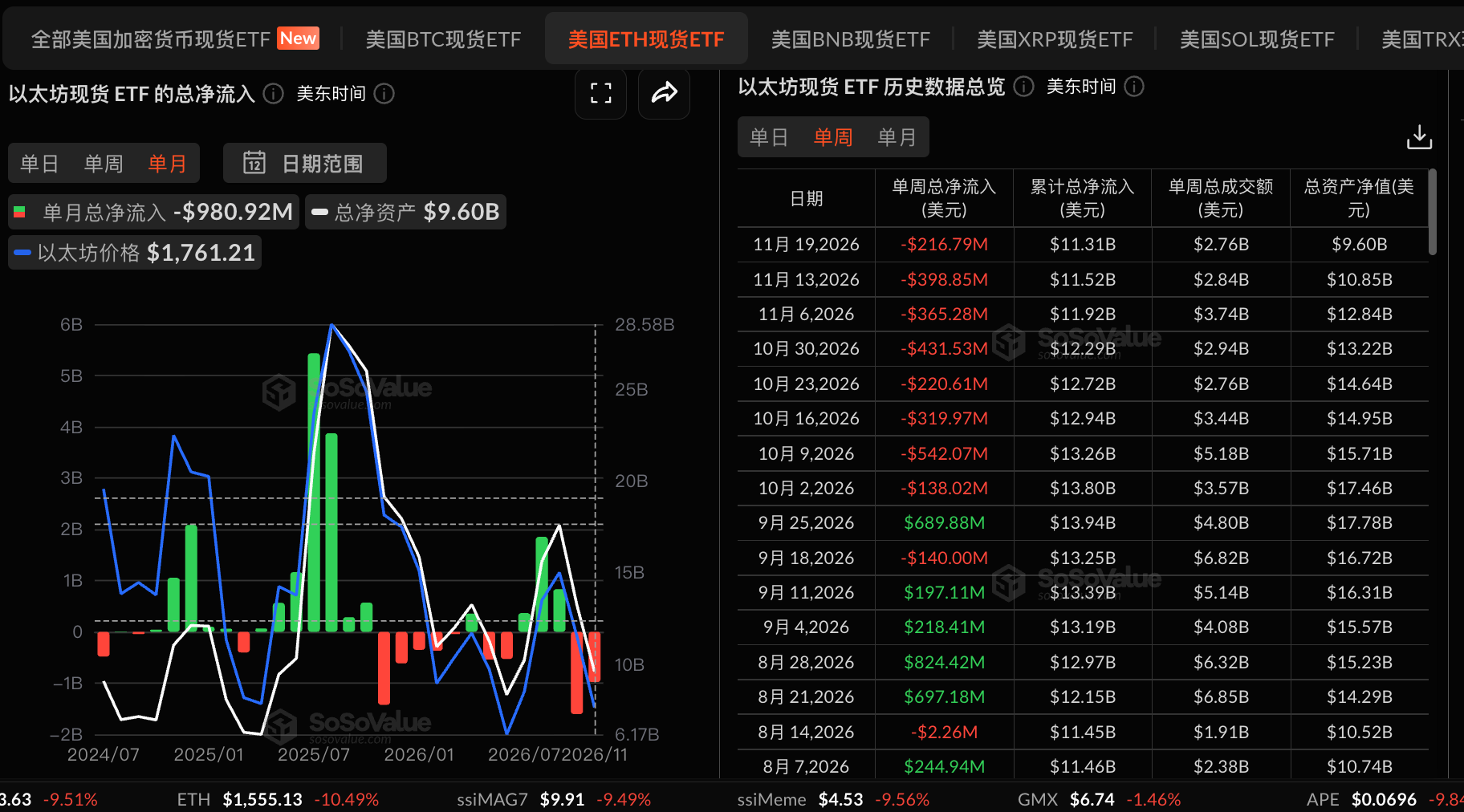
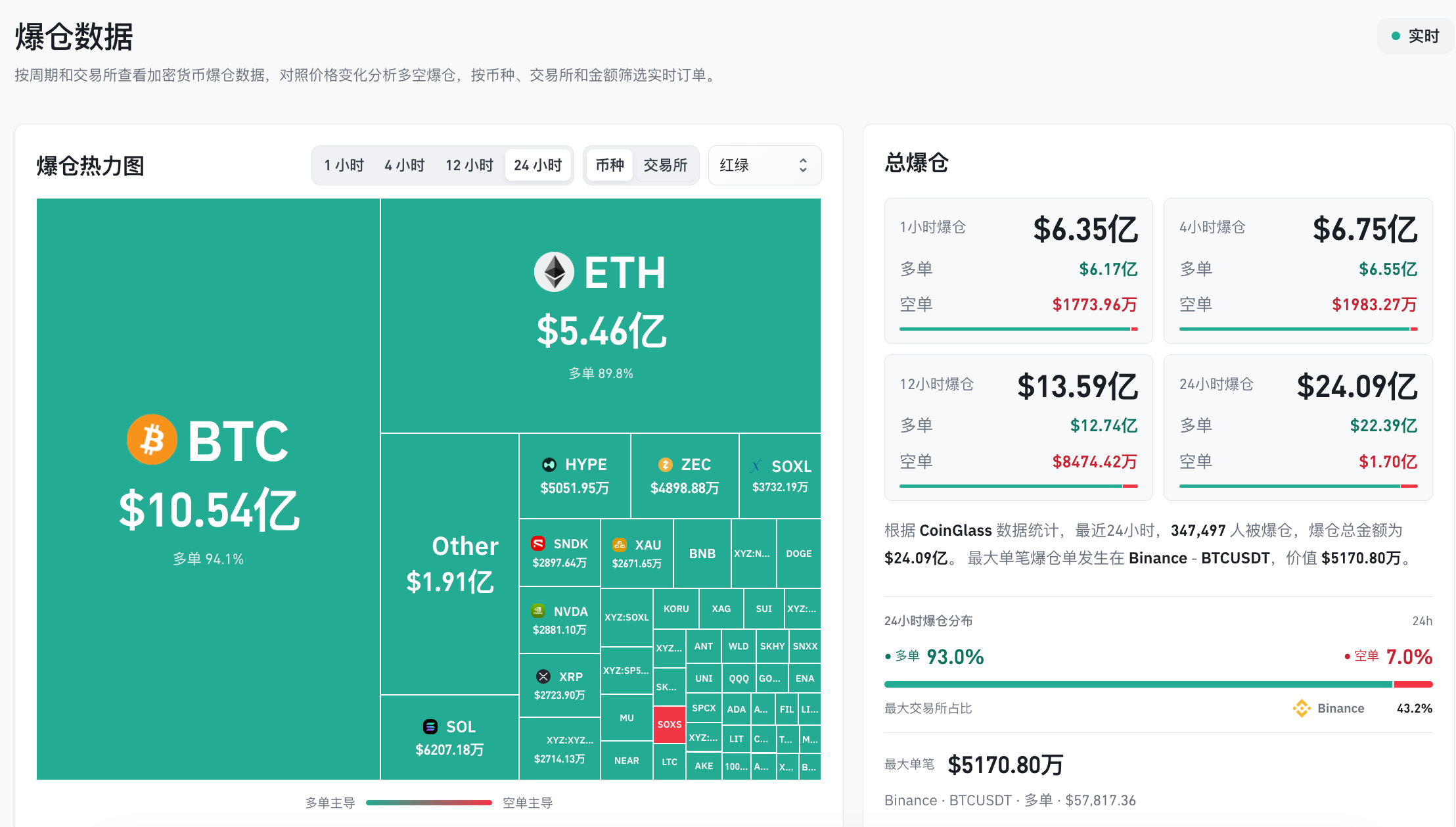
Odaily also pointed to selling in technology shares and concern about further US interest-rate increases. It reported that the Federal Reserve held rates steady at its October meeting, while some participants favored an increase or discussed one at a later meeting. Those discussions were not an enacted rate increase. Delphi Digital market strategist Scott Freeman characterized the simultaneous pressure on Bitcoin, AI stocks and gold as a liquidity problem.
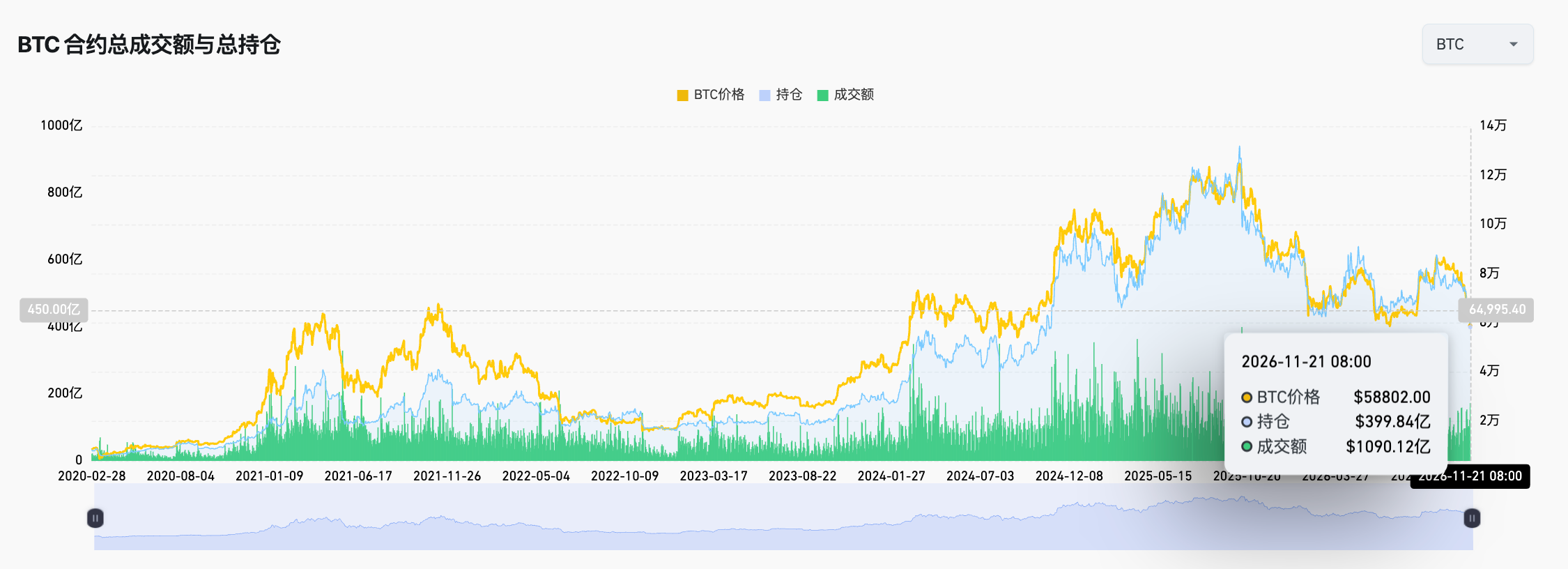

For miners, the immediate reported fact is the steep fall in public-company shares alongside Bitcoin. The source does not establish how the price move affected any individual operation’s production costs or profitability.