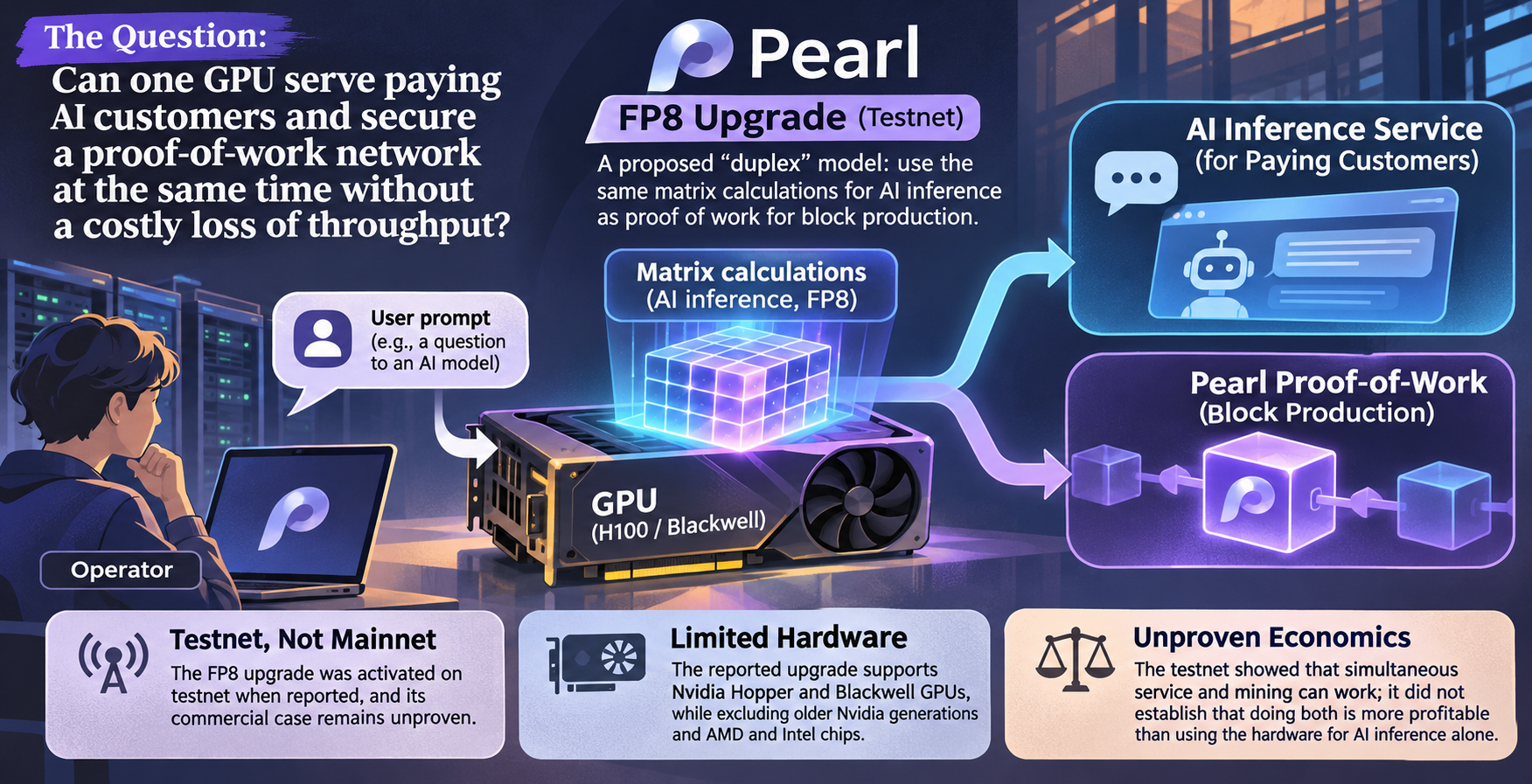
Can a GPU serve paying AI customers and secure a proof-of-work network at the same time without a costly loss of throughput? That was the operational question behind Pearl’s FP8 upgrade when the original report was published on November 19, 2026. The upgrade had activated on testnet, not mainnet, and its commercial case remained unproven.
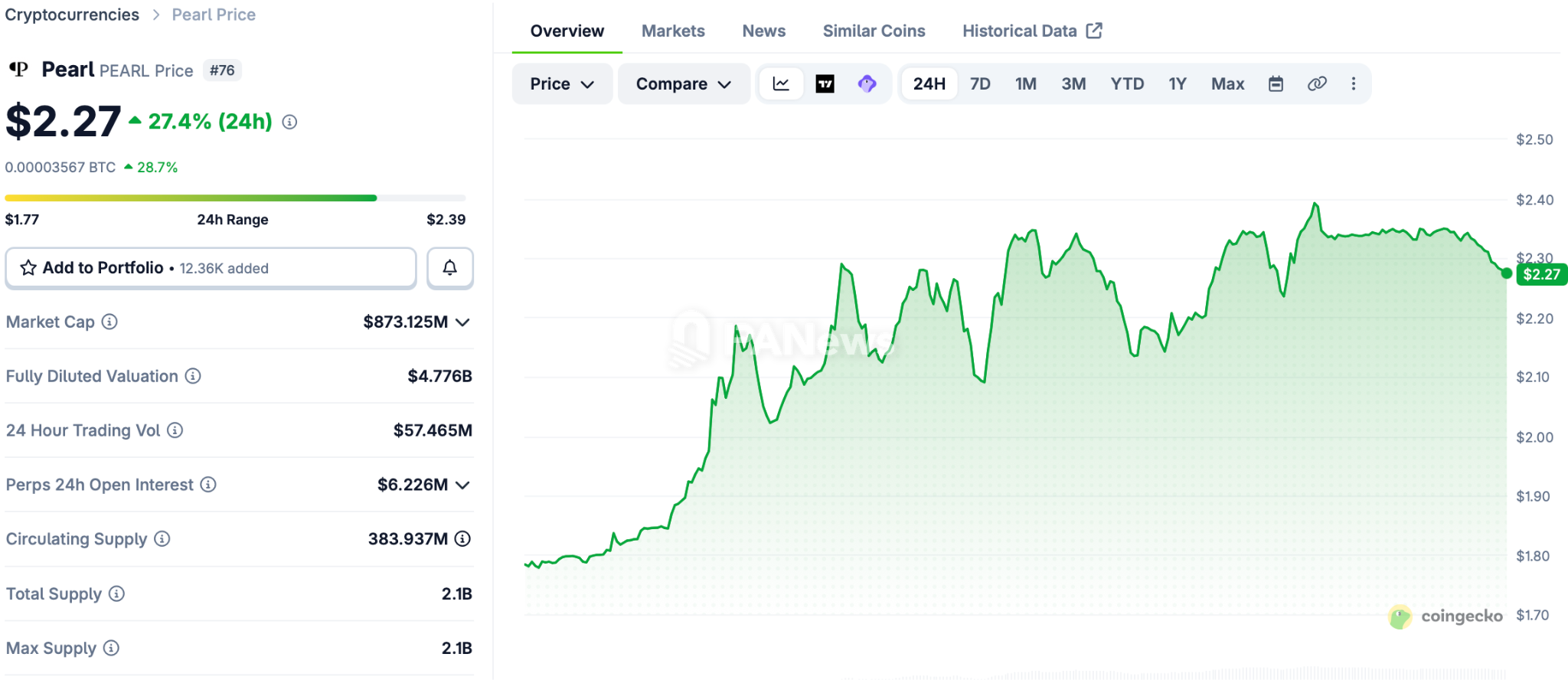
Pearl’s proposed “duplex” model uses matrix calculations performed for AI inference as proof of work for block production. In principle, an operator could earn AI-service revenue while also mining PEARL. That is a proposed revenue model, not an observed result for data-center operators.
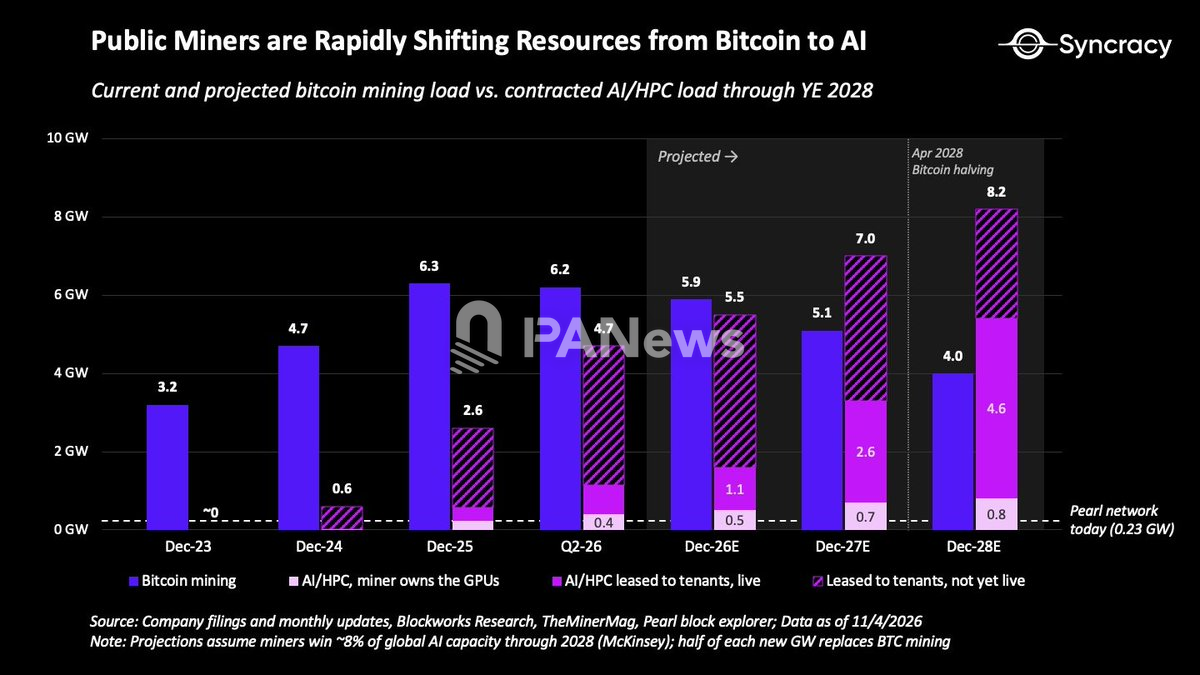
Why FP8 matters—and what the test found
The earlier protocol recognized INT7 proofs, a format the report said imposed model-conversion costs on AI providers. The FP8 upgrade is intended to support a format used in AI data centers. It also narrows eligible hardware: the reported upgrade supports Nvidia Hopper and Blackwell GPUs, while excluding older Nvidia generations and AMD and Intel chips.
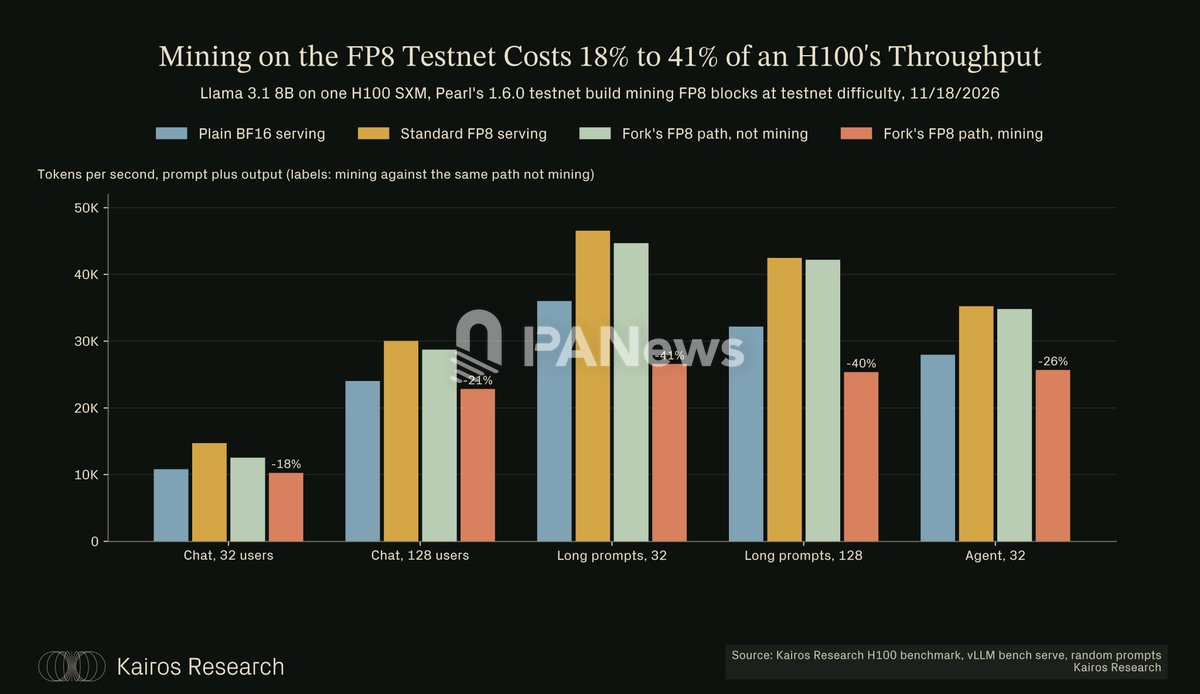
Kairos Research, which the report identifies as a PEARL holder, rented one H100 and tested Llama 3.1 8B on the testnet. It reported successfully mining FP8 blocks while serving the model. Against the same setup with mining disabled, however, throughput fell 18%–21% in ordinary conversations, 26% with long agent prompts and 40%–41% with long prompts alone. Against a native FP8 inference setup, the reported reduction was 24%–48%. Those results are from one reported test configuration, not a measurement of every potential operator’s costs.
Kairos also reported that effective mining was confined to the prompt-reading stage in the tested version. Attempting to mine during answer generation reduced accuracy on its math evaluation from roughly 87% to 1%. These findings leave a gap between the test results and the project’s stated expectation of a 1%–5% inference-performance penalty.
A network transition, not a proven cost saving
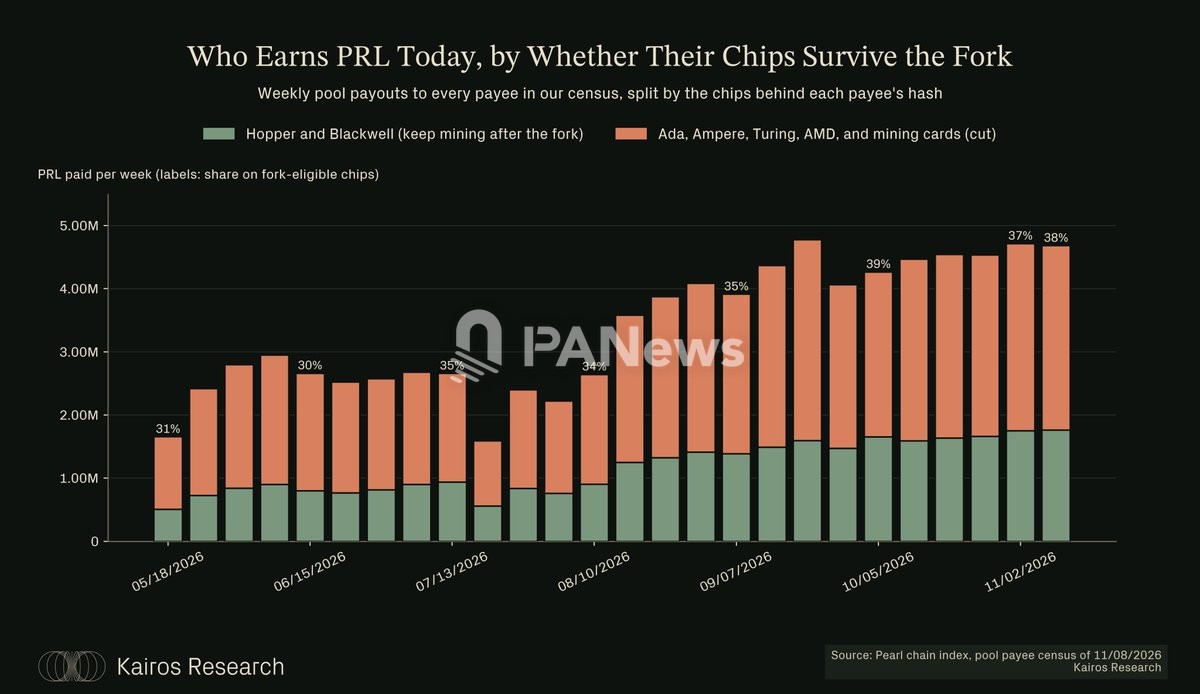
From a survey of six mining pools and about 24,200 addresses, Kairos estimated that Hopper and Blackwell hardware supplied about 37% of network hashrate. On that basis, a mainnet fork enforcing the new hardware rules could displace much of the existing hashrate. That is a projection, not an observed post-fork change.
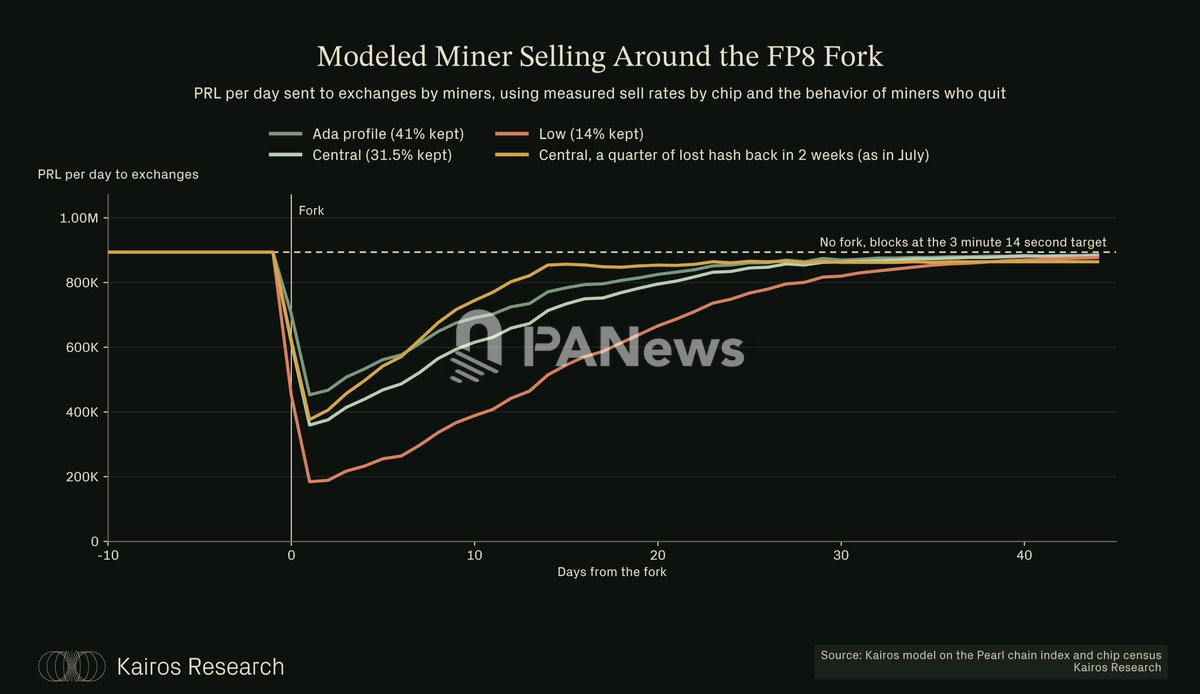
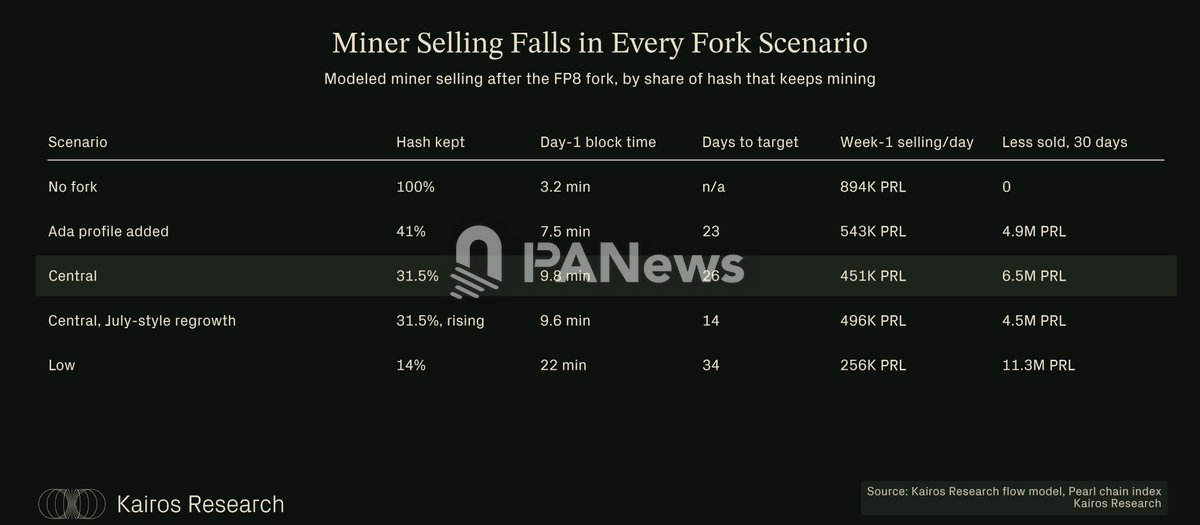
The same distinction applies to miner selling. Kairos modeled about 6.5 million fewer PEARL sold by miners in the first 30 days after a fork, reasoning that slower blocks before a difficulty adjustment would temporarily reduce issuance. It was a forecast conditional on the fork and network behavior, not a recorded reduction in sales.
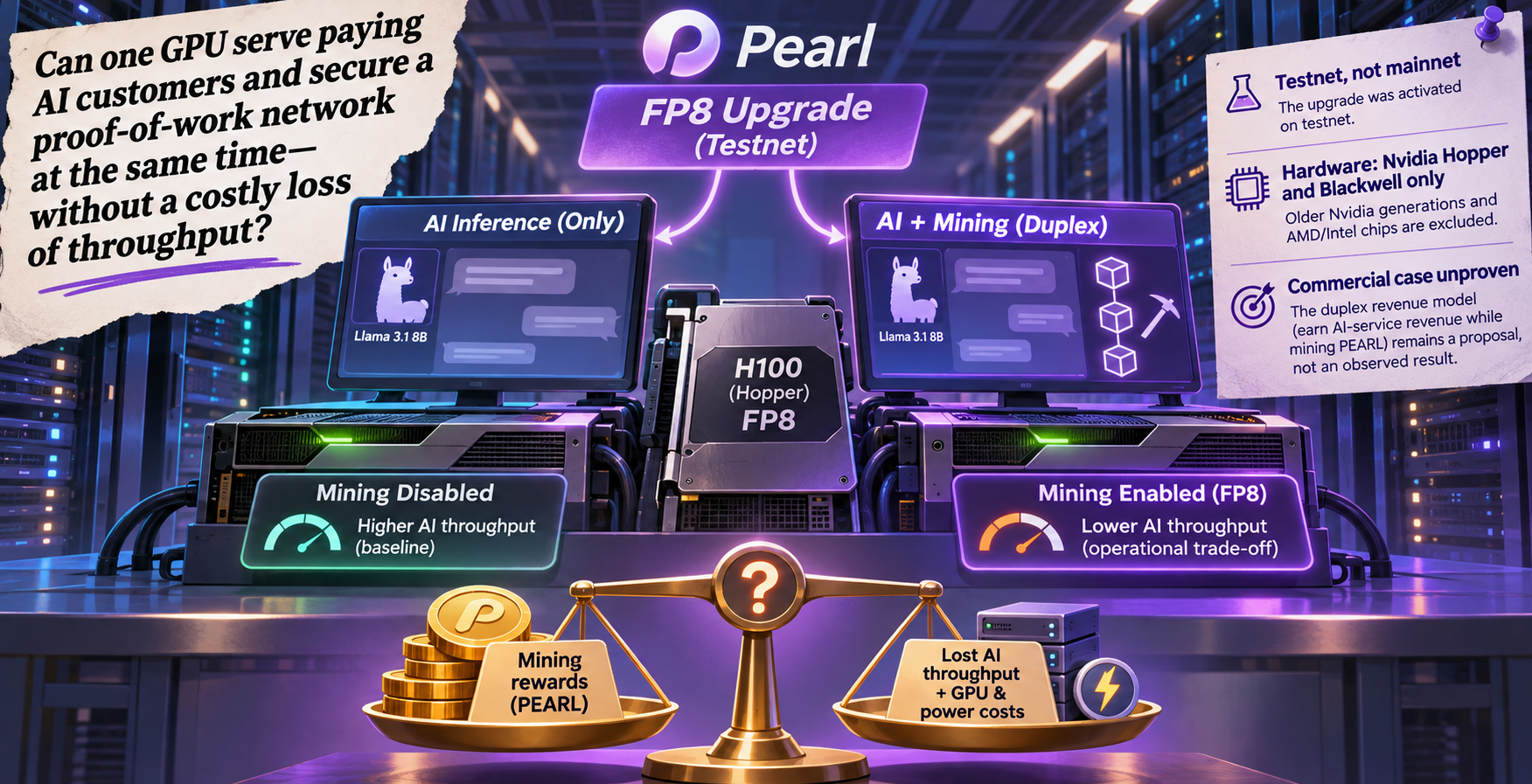
For operators, the unresolved calculation is whether mining rewards would exceed the value of lost AI throughput, alongside GPU and electricity costs. The testnet showed that simultaneous service and mining can work; it did not establish that doing both is more profitable than using the hardware for AI inference alone.